
Lake Oswego House Painters: What Homeowners Should Know
Finding reliable Lake Oswego house painters comes down to three things: proper surface preparation, the right products for the Pacific Northwest climate, and a contractor who treats your home like a long-term relationship rather than a quick job. This guide walks you through everything you need to evaluate painters, ask the right questions, and understand what a quality project actually looks like — from the first estimate to the final walkthrough.
Lake Oswego homes range from mid-century ranches near the lake to newer construction in Stafford and everything in between. Each style has its own painting considerations, and the wet, overcast winters here demand materials and application methods that differ from drier climates. What works in Phoenix will fail in Portland. That context matters when you’re comparing bids.
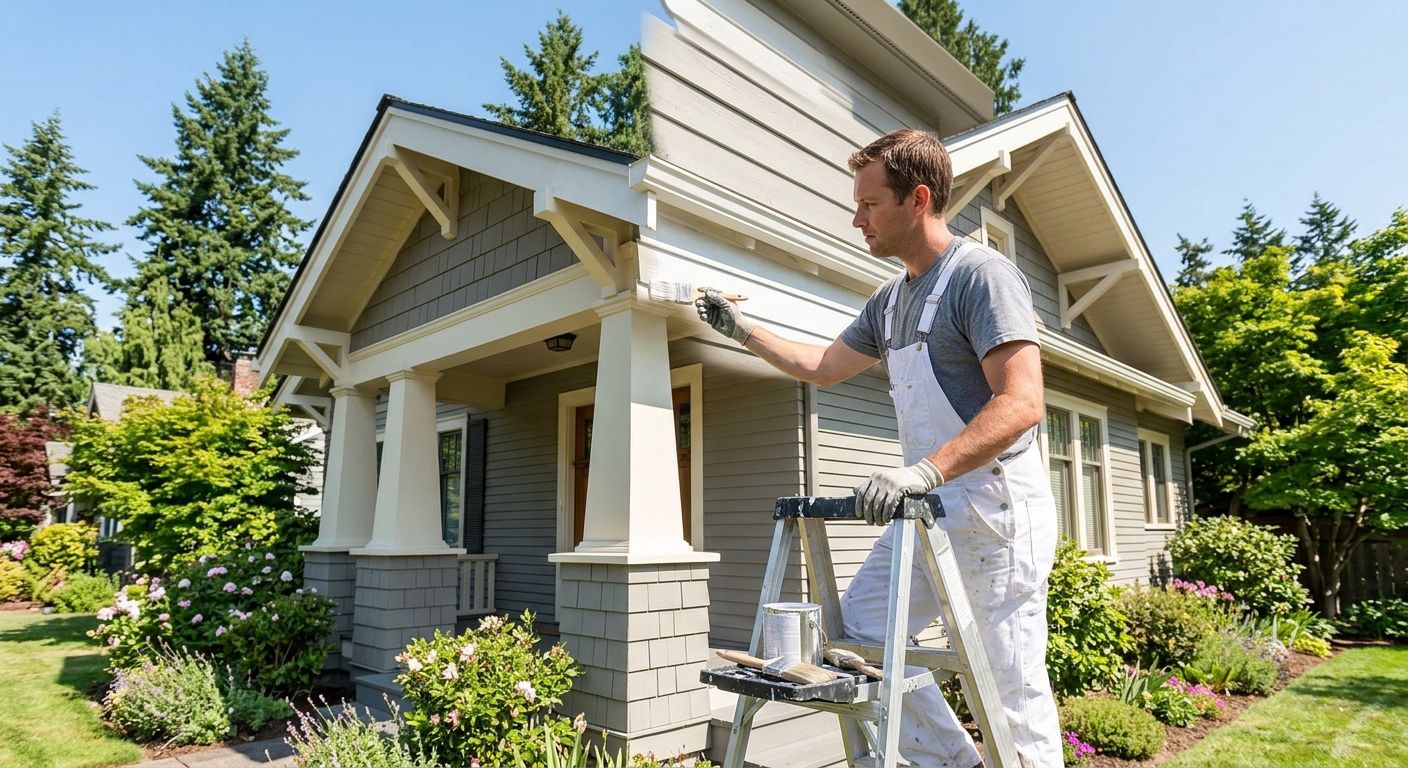
What Lake Oswego House Painters Actually Do
The phrase “house painter” covers a wide range of work. At the basic end, that means rolling paint on walls. At the professional end, it includes surface assessment, moisture testing, primer selection, caulking, drywall repair, lead paint management, and finish coats applied at the correct mil thickness — meaning the measured depth of a dried paint film. Mil thickness affects how long a paint job lasts, and it’s something most homeowners never think to ask about.
Interior painting in Lake Oswego typically involves walls, ceilings, trim, doors, and sometimes cabinetry. Exterior painting is more complex: it requires evaluating the substrate (wood, fiber cement, stucco, or composite), checking for moisture intrusion, and choosing a coating system that bonds correctly to what’s underneath. Skipping any of these steps produces a paint job that looks fine for six months and fails by year two.
Beyond standard painting, many Lake Oswego homeowners also ask about specialty finishes, wallcovering installation, and decorative work. These are legitimate painting services — not add-ons from a different trade — and a well-rounded painting contractor should be able to handle them without subcontracting.
One question that comes up occasionally: can painters do murals? Some can. It’s a specialty skill that not every painting crew offers, but it falls within the broader world of decorative coatings. If you want a mural as part of a larger interior project, ask the contractor directly whether they have that capability in-house or whether they’d bring in an artist. Either answer is fine — just know what you’re getting.
Exterior Painting in Lake Oswego: Climate Considerations
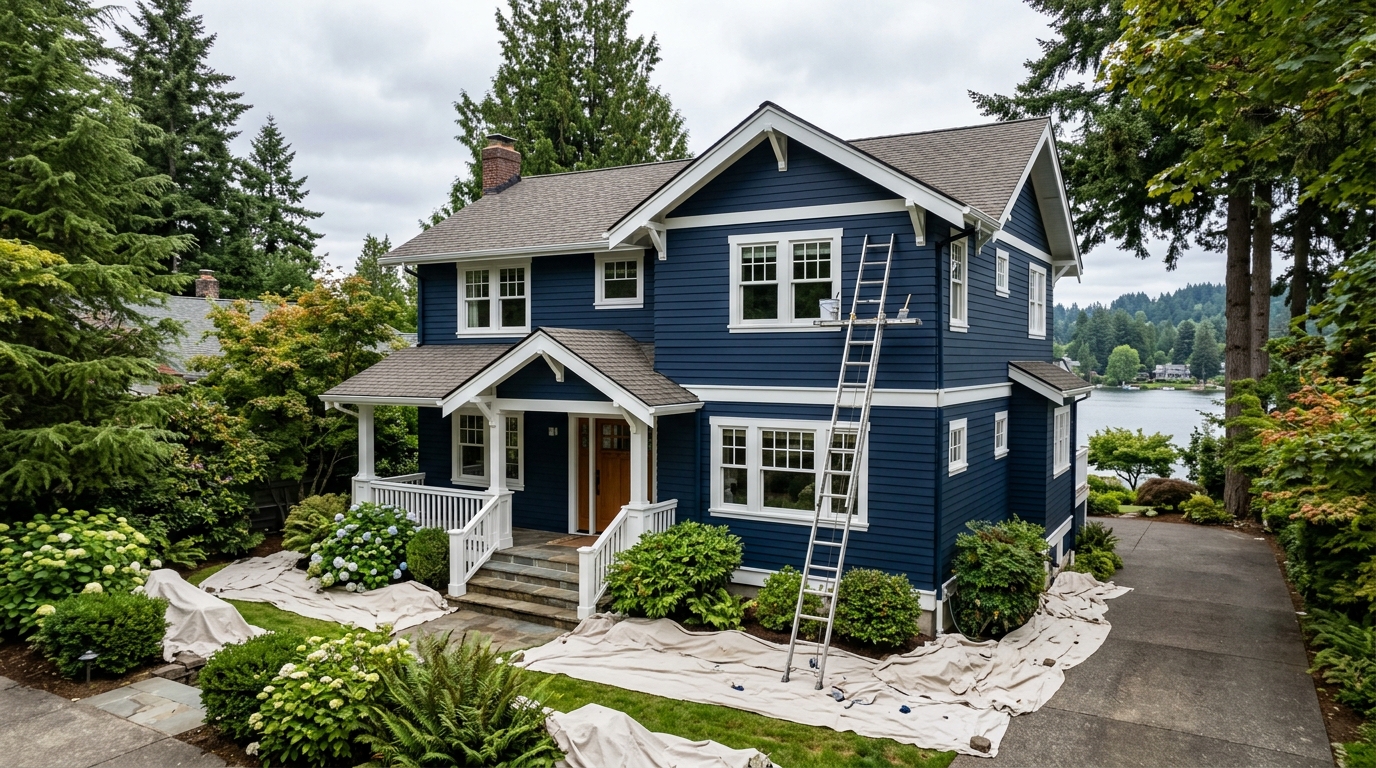
Lake Oswego sits in the Tualatin Valley foothills, which means it gets the same wet winters as Portland — roughly 36 to 44 inches of rain annually, with extended stretches of overcast, humid weather from October through April. Exterior paint needs dry conditions to cure properly. Most quality latex coatings require surface temperatures above 50°F and relative humidity below 85 percent at application.
This limits the exterior painting window in the Portland metro area to roughly late spring through early fall. Contractors who push exterior work into November or February are cutting corners on cure time, which shortens the life of the coating. A good painter will tell you honestly when the weather isn’t cooperating, even if it means delaying your project.
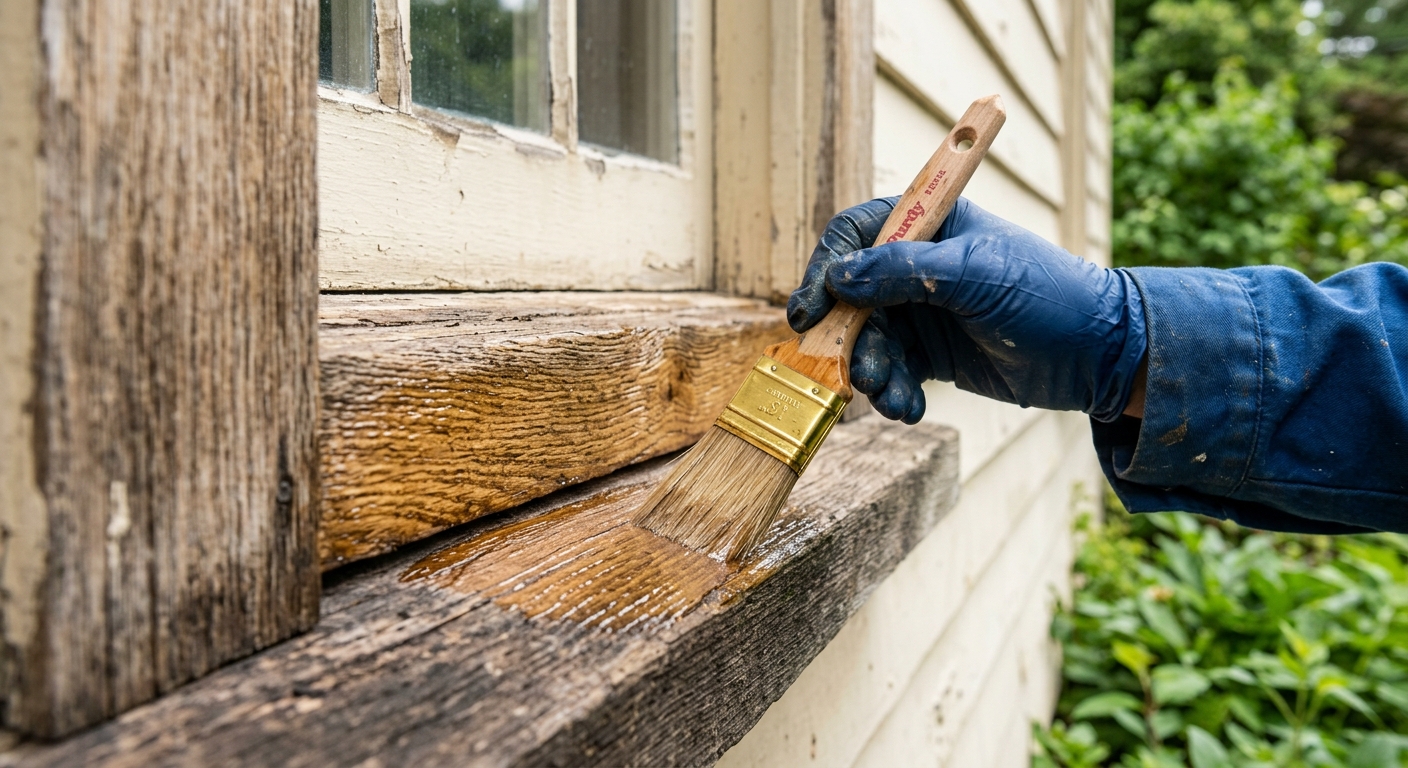
Wood siding is particularly common in older Lake Oswego neighborhoods, and it requires more preparation than fiber cement or composite. Peeling paint on wood almost always signals a moisture problem underneath — either from failed caulking, improper flashing, or interior humidity migrating outward. Painting over peeling wood without addressing the source is one of the most common and costly mistakes homeowners make. The paint will peel again within a year.
For homes built before 1978, exterior surfaces may contain lead-based paint. Disturbing lead paint during scraping or sanding without proper containment is a federal violation under EPA RRP (Renovation, Repair, and Painting) rules. Any contractor working on pre-1978 homes should hold EPA Lead-Safe Certification and follow containment protocols. Ask to see that certification before work begins — not after.
Interior Painting: What the Prep Phase Looks Like
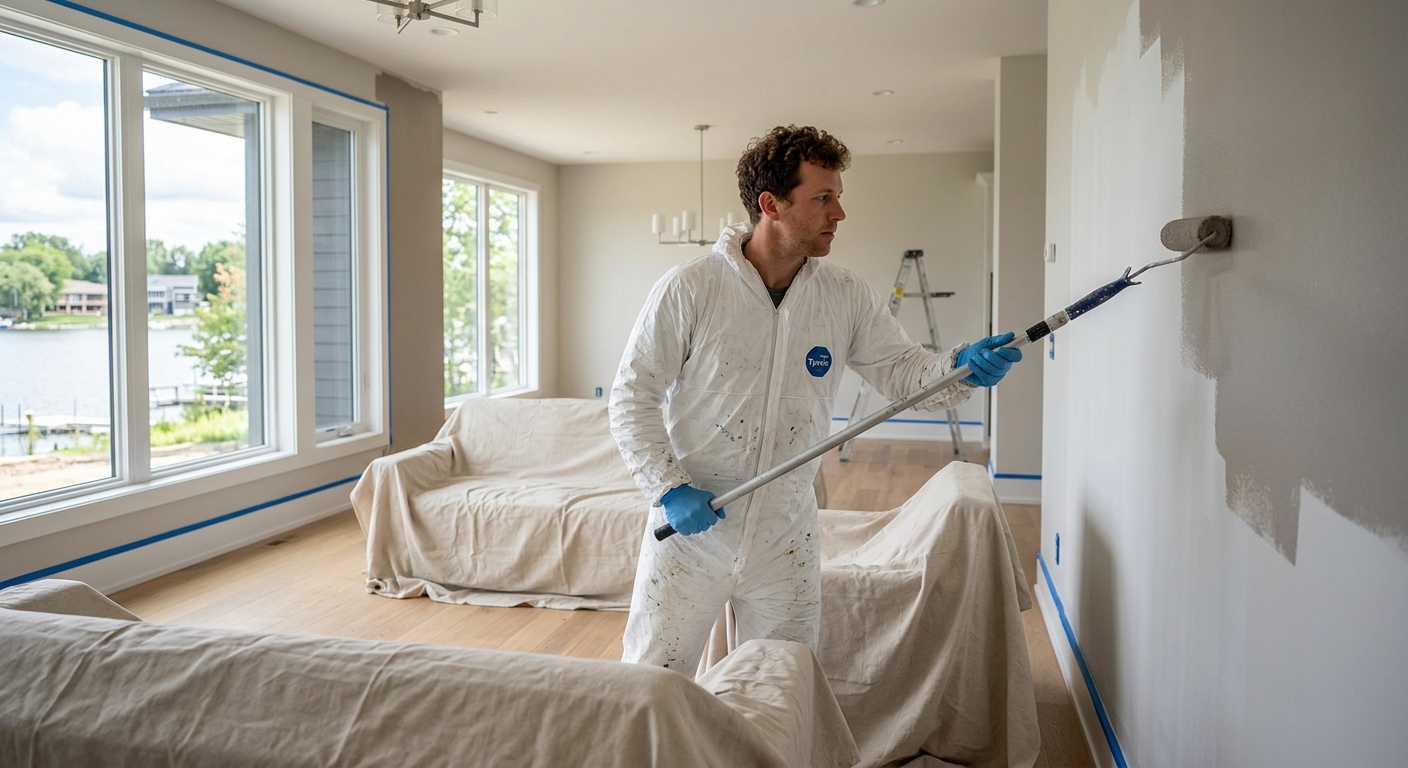
Interior painting preparation is where most of the labor cost lives, and it’s also where most of the quality difference between contractors shows up. A thorough prep phase includes moving or protecting furniture, taping all trim and adjacent surfaces, patching nail holes and dents with joint compound, sanding those patches smooth, and priming any repaired areas before finish coats go on.
Drywall repair is a common part of interior painting projects. Hairline cracks, nail pops, and larger holes from removed fixtures all need to be addressed before painting. Many homeowners don’t realize that a painting contractor can handle this — it’s a natural part of the prep process, not a separate trade. Asking “do you also patch sheetrock?” is a fair question, and the answer should be yes for any full-service painting company.
Paint sheen selection matters more than most people expect. Flat or matte finishes hide surface imperfections but are harder to clean — better for ceilings and low-traffic bedrooms. Eggshell and satin finishes work well for living areas and hallways. Semi-gloss and gloss sheens are durable and moisture-resistant, making them the standard choice for trim, doors, kitchens, and bathrooms. Your painter should walk you through these options based on your specific rooms, not just default to one sheen throughout.
How to Evaluate Lake Oswego House Painters Before You Hire
Getting multiple bids is standard practice, but comparing bids is harder than it looks. A low bid often reflects fewer prep steps, thinner paint application, or less experienced labor. A high bid isn’t automatically better either. What you’re looking for is a detailed scope of work that lets you compare apples to apples.
Here’s what a solid painting estimate should include:
- Specific surfaces to be painted (walls, ceilings, trim, doors, etc.)
- Number of coats and whether a primer coat is included
- Paint brand and product line (not just “premium paint”)
- Prep work included — caulking, patching, sanding
- How furniture and floors will be protected
- Timeline and crew size
- Warranty terms on labor
Licensing is non-negotiable in Oregon. Painting contractors must hold an active Oregon Construction Contractors Board (CCB) license to work legally on residential projects. You can verify any contractor’s license at the Oregon CCB website using their license number. This takes about 90 seconds and tells you whether their license is current and whether any complaints have been filed against them.
Insurance is equally important. General liability insurance protects your home if something is damaged during the project. Workers’ compensation insurance protects you from liability if a worker is injured on your property. Ask for certificates of insurance — not just verbal confirmation — before any work begins.
Understanding What Painting Projects Actually Cost in Lake Oswego
Painting costs vary based on square footage, surface condition, product selection, and the complexity of the work. Providing a single price-per-square-foot figure would be misleading, because a smooth new-construction interior costs very differently to paint than a 1960s exterior with failing paint, rotted wood, and lead paint concerns.
What you can expect: interior painting is generally priced by the room or by total square footage of paintable surface area (walls and ceilings, not floor area). Exterior painting is typically priced by the linear foot of the structure, adjusted for height, surface condition, and the number of coats required.
The cost difference between contractors often comes down to labor quality and prep time. A crew that spends twice as long on prep will charge more — and their work will last longer. In the Portland area, homeowners who choose the lowest bid frequently repaint within three to five years. Those who invest in thorough prep and quality coatings often go eight to twelve years between exterior paint jobs. Over a decade, the math usually favors the better job.
Why Some Lake Oswego Homeowners Think Painting Companies Are One-and-Done
There’s a common assumption that hiring a painter is a transactional event — you need a room painted, someone shows up, it’s done, and you never talk again. Some contractors operate exactly that way. But for homeowners with larger properties, HOA requirements, or ongoing maintenance needs, that model creates problems.
A painting contractor who knows your home’s history — what products were used, where the moisture-prone areas are, what colors were matched — is genuinely more valuable on the second project than a new contractor starting from scratch. Relationship-based painters keep records, return calls, and prioritize existing clients when scheduling fills up. That’s not a marketing line; it’s a practical advantage for homeowners who plan to stay in their homes for years.
District Painting Co. has worked with property managers, general contractors, and individual homeowners in the Portland metro area since 2018. A meaningful portion of the work comes from repeat clients and referrals — which is a reasonable signal that the work holds up and the experience is worth repeating. Oregon CCB License #222669, EPA Lead-Safe Certified, and COBID ESB certified for public and commercial work.
Specialty Services Lake Oswego Homeowners Often Overlook
Most homeowners think of painting companies in narrow terms: walls and maybe trim. But a full-service painting contractor can handle a wider range of work than most people realize.
Wallcovering installation — including traditional wallpaper and commercial-grade wall fabric — is a painting trade skill. It requires surface prep, adhesive selection, and precision seaming. If you’ve been avoiding wallcovering because you assumed you’d need a separate specialist, ask your painter whether they offer it.
Pressure washing is often a necessary precursor to exterior painting and a standalone maintenance service for driveways, decks, and fences. Combining it with a painting project saves mobilization costs.
Linseed oil finishes are an older, highly durable coating system that’s seeing renewed interest in historic preservation and natural building circles. Linseed oil penetrates wood rather than forming a surface film, which means it doesn’t peel — it simply weathers and can be refreshed without stripping. It requires specific application knowledge. Not many contractors in the Portland area work with it regularly.
Intumescent coatings are fire-retardant paints applied to structural steel, wood, or other building elements to slow the spread of fire. The term “intumescent” refers to the coating’s behavior when exposed to heat — it expands into a char layer that insulates the substrate. This is a commercial and industrial application, but it occasionally comes up in residential projects involving exposed steel beams or garage structures.
These aren’t services every homeowner needs, but knowing they exist — and that a single contractor can handle them — simplifies project management considerably.
Common Questions About Lake Oswego House Painters
How long does a typical house painting project take in Lake Oswego?
Interior projects for an average-sized home (1,500 to 2,500 square feet) typically run two to five days depending on the number of rooms, prep requirements, and crew size. Exterior projects vary more widely — a straightforward repaint on a well-maintained home might take three to four days, while a home with significant prep needs, multiple stories, or complex trim can run one to two weeks. Your contractor should give you a timeline in writing before work begins.
Do I need to be home while painters are working?
Not necessarily. Many homeowners provide access and let the crew work independently. A professional crew should be able to communicate daily progress without requiring you to supervise. Discuss your preferences during the estimate — a good contractor will accommodate whatever level of involvement you want.
What’s the difference between a painting estimate and a painting quote?
An estimate is an approximate figure based on a visual assessment. A quote is a fixed price tied to a specific scope of work. Always get a written quote — not just an estimate — before agreeing to a project. This protects both you and the contractor if questions arise mid-project.
Can painters match existing colors exactly?
In most cases, yes. Paint stores can spectrophotometrically analyze a chip of existing paint or an original paint can lid and produce a very close match. Perfect matches are harder on aged surfaces where the original color has faded from UV exposure. If exact color continuity matters — for a partial repaint or a touch-up — discuss it with your painter before the project starts.
How do I know if my home has lead paint?
If your home was built before 1978, assume lead paint is present until a certified test says otherwise. Lead test kits are available at hardware stores, but professional testing using an XRF analyzer (X-ray fluorescence, a non-destructive tool that reads lead content in paint layers) is more reliable. Any contractor disturbing painted surfaces on a pre-1978 home should be EPA Lead-Safe Certified and follow RRP containment protocols regardless of whether testing has been done.
What should I do to prepare my home before painters arrive?
For interior work: clear small items from shelves and surfaces, remove wall hangings, and move fragile or valuable items to a safe location. Larger furniture is typically moved and covered by the painting crew. For exterior work: trim back plants and shrubs that are close to the house, move patio furniture away from the work area, and make sure the crew has clear access around the perimeter.
Why Portland-Area Homeowners Work with District Painting Co.
District Painting Co. is a Portland-based painting contractor serving Lake Oswego and the broader Portland metro area, including work in Oregon, Washington, and Idaho. The company holds Oregon CCB License #222669, is EPA Lead-Safe Certified, and carries COBID ESB certification — which qualifies the company for public agency and government work, not just residential projects. That operational rigor carries over into every residential job: documented scopes, written timelines, and crews who show up when they say they will.
The work spans interior and exterior residential painting, commercial tenant improvements, historic restoration, wallcovering, pressure washing, drywall repair, and specialty coatings including linseed oil systems and intumescent fireproofing. For Lake Oswego homeowners, that breadth means fewer contractors to coordinate and a single point of accountability for the project.
You can learn more about the full range of services at districtpaintingco.com, including details on residential painting services and specialty coating work for more complex projects.
Talk to a Lake Oswego House Painter Who Knows the Area
If you’re ready to get a written quote for your Lake Oswego home — interior, exterior, or both — District Painting Co. is available to walk through the project with you, assess surface conditions, and give you a clear scope before any work begins. Call 503-560-7662 to schedule a consultation.
