
Portland House Painter: What to Know Before You Hire
Finding a reliable house painter in Portland comes down to a few concrete factors: whether they understand the Pacific Northwest climate, whether they’re equipped for older homes, and whether their process holds up past the first rain. This guide walks through what separates a good paint job from one that fails in two years — so you can hire with confidence, whoever you choose.
District Painting Co. has worked on Portland homes since 2018, from new construction in the Pearl to century-old craftsmen in Ladd’s Addition. That range has shaped how we think about residential painting here — and what we’ve written below.
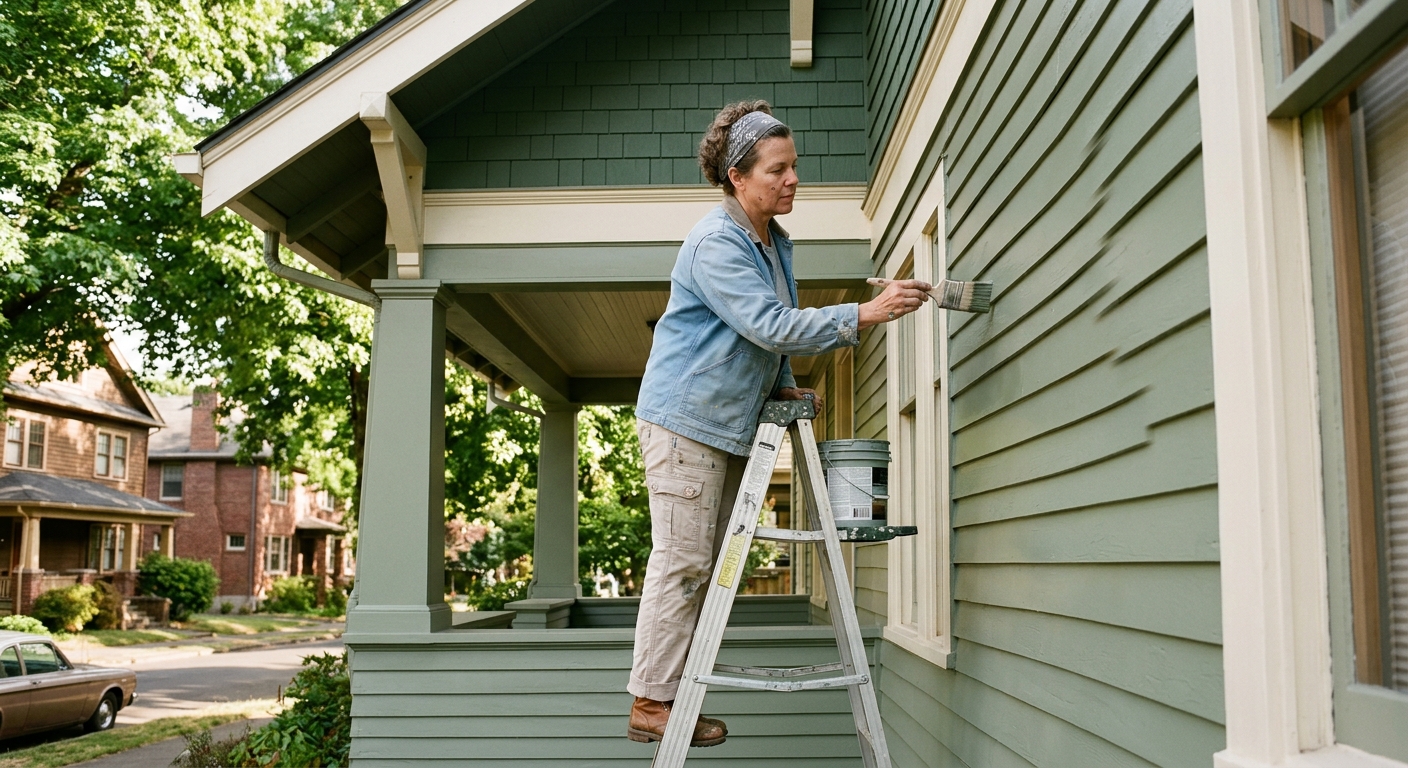
Why Portland’s Climate Changes Everything for Exterior Painting
Portland averages around 144 rainy days per year. That moisture cycle — wet winters, dry summers, and unpredictable shoulder seasons — puts real stress on exterior paint. A coating applied in the wrong conditions can peel within a season.
The practical window for exterior painting in Portland runs roughly from late May through early October. Surface moisture needs to be below 15 percent before application. Temperature should stay above 50°F during application and for several hours after. Any house painter working in Portland should be able to explain their moisture-testing process before they pick up a brush.
Proper surface prep matters more than the paint brand. That means pressure washing, scraping loose material, spot-priming bare wood, and caulking gaps before a drop of finish coat goes on. Skipping any of these steps is where most paint failures start.
For interior painting, Portland’s humidity is less of a limiting factor — but ventilation still matters, especially in older homes with limited airflow. Good painters account for drying time between coats rather than rushing the schedule.
Historic Homes in Portland: A Different Set of Rules
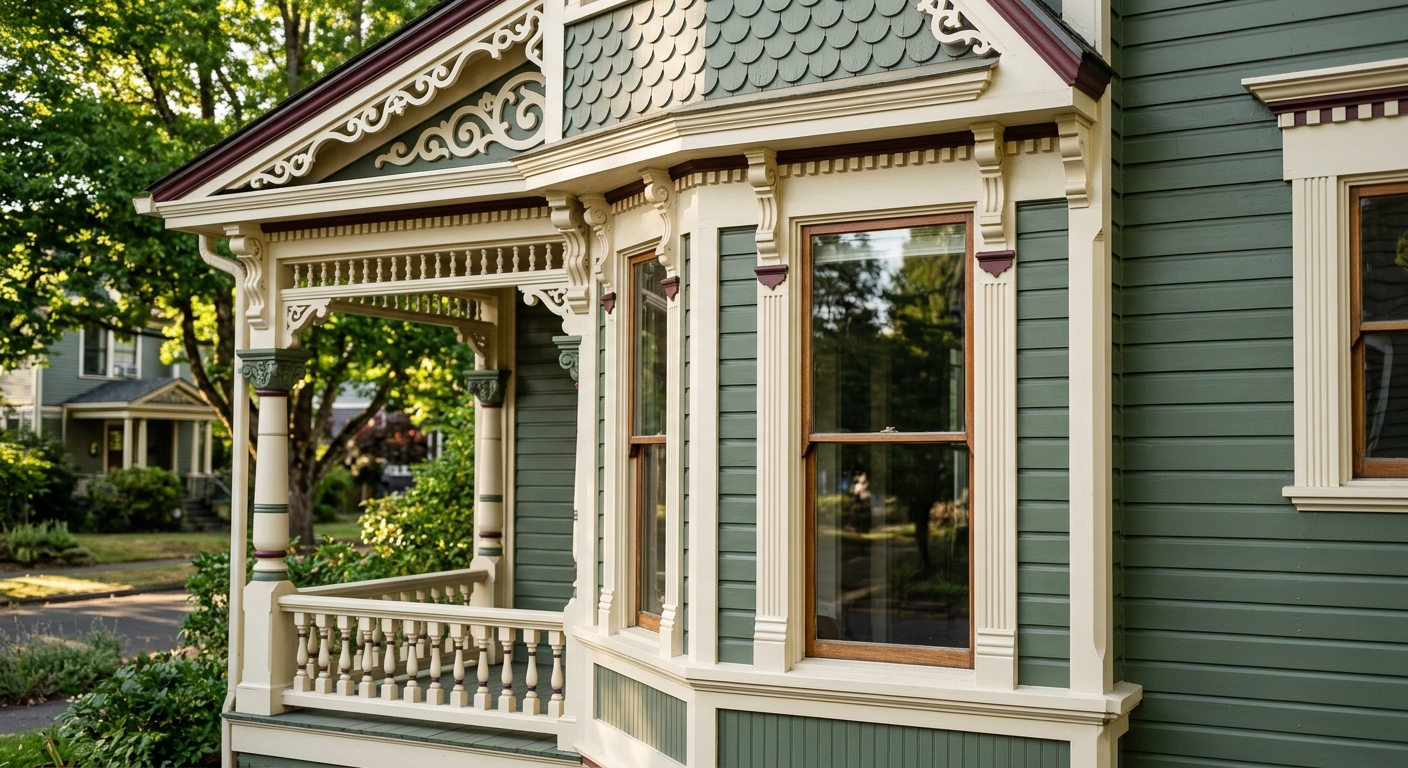
A significant share of Portland’s housing stock predates 1940. Neighborhoods like Irvington, Sellwood, and Alameda are full of craftsman bungalows, Foursquares, and Victorian-era homes — many of them in local historic districts with specific requirements around color palettes and materials.
Painting a home in a historic district isn’t just an aesthetic decision. Some districts require approval before exterior color changes, and certain restoration methods are mandated to preserve architectural integrity. If your home is on the National Register or sits in a locally designated district, verify the requirements with the Portland Bureau of Development Services before finalizing any color choices.
District Painting Co. holds Oregon Parks certification for historical restoration — a credential that reflects hands-on experience with period-appropriate methods, not just a general painting license. That work includes linseed oil painting, a traditional technique that’s seeing renewed interest among historic homeowners.
Linseed Oil Painting: What It Is and When It Makes Sense
Linseed oil paint is a slow-drying, penetrating finish made from pressed flaxseed. Unlike film-forming latex paints, it soaks into wood fibers rather than sitting on top of them. This makes it exceptionally durable on older wood substrates that have already been treated with oil-based products — and it’s the historically accurate choice for many pre-1940 homes.
The tradeoff is time. Linseed oil requires longer dry times between coats and more preparation knowledge than standard latex. It’s not the right call for every project, but for a well-preserved craftsman with original wood siding, it can outlast conventional paint by years. We work with linseed oil regularly and can assess whether it’s appropriate for a specific substrate.
If you’re researching this for a historic home, our residential painting services page covers more on what the process involves.
Lead Paint: What Portland Homeowners Need to Know
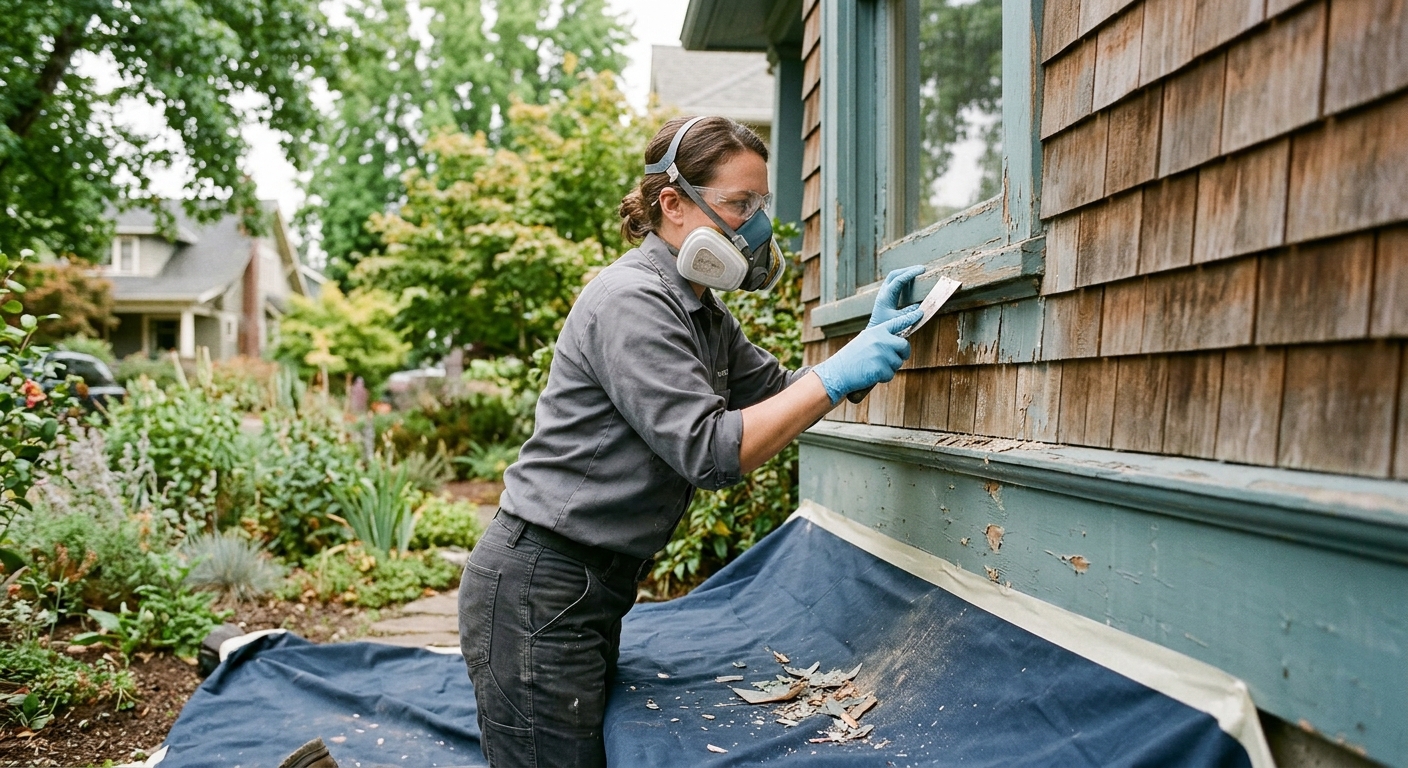
Homes built before 1978 may contain lead-based paint. In Portland, that covers a substantial portion of the housing inventory. Disturbing lead paint — through sanding, scraping, or demolition — without proper containment creates a serious health hazard, particularly for children and pregnant women.
Federal EPA RRP (Renovation, Repair, and Painting) rules require that contractors working on pre-1978 homes use certified lead-safe work practices. This includes containment of dust, proper disposal of debris, and post-work cleaning verification. Any house painter you hire for an older Portland home should be able to show you their EPA Lead-Safe certification before work begins.
District Painting Co. is EPA Lead-Safe certified. We test when there’s uncertainty, contain when required, and document the process. This isn’t optional compliance — it’s a baseline for working responsibly on older homes.
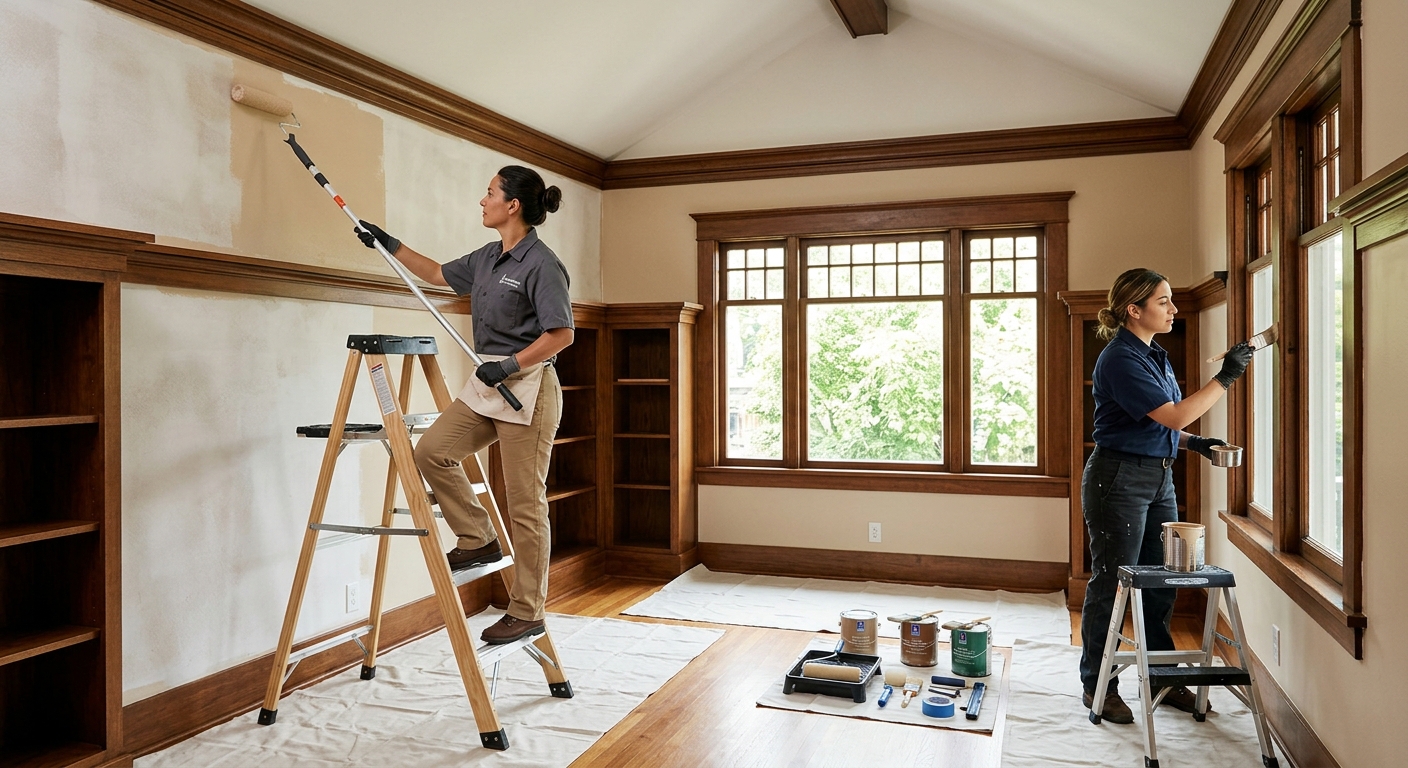
Interior Painting: More Than Walls
A common assumption is that painting companies handle walls and ceilings — and that’s it. In practice, a full interior repaint often involves drywall repair, trim work, cabinet refinishing, and occasionally specialty finishes. Patching sheetrock before painting, for example, is something we handle in-house rather than coordinating a separate trade.
Wallcovering installation is another service that surprises people. Whether it’s commercial-grade vinyl wallcovering for a rental property or a traditional paper product for a historic interior, the skills overlap significantly with finish painting. If you’ve been told a painting company can’t handle wallcovering, that’s worth revisiting — our services include installation for both residential and commercial applications.
Portland Neighborhoods We Work In Regularly
We work throughout Portland and the surrounding metro. Some of the neighborhoods we return to most often include Irvington, Laurelhurst, Sellwood-Moreland, the Pearl District, Lake Oswego, and St. Johns. Each has its own mix of architectural styles and, in some cases, historic overlay requirements that shape how we approach a project.
We’re also licensed in Washington and Idaho — Oregon License #222669, Washington License #DISTRPC816BM, Idaho License #4471662 — so projects that cross the river or extend into the Gorge corridor aren’t a problem.
What Credentials Actually Tell You About a Painter
Licensing is a floor, not a ceiling. Oregon requires painting contractors to carry a Construction Contractors Board license, general liability insurance, and workers’ compensation coverage. Verify those before signing anything.
Beyond baseline licensing, look for credentials that reflect specific expertise: EPA Lead-Safe certification for older homes, historic restoration credentials for period properties, and COBID certification if you’re a public agency or require diversity-certified vendors. District Painting Co. holds COBID ESB certification (#11884) and has been recognized with a Best of the Rose City Silver Award for painting contractors.
For most homeowners, the most useful signal is a contractor’s willingness to explain their process in plain terms — surface prep steps, product choices, timeline, and what happens if something goes wrong. Vague answers at the estimate stage usually mean vague execution on the job.
You can learn more about how we approach residential projects at districtpaintingco.com.
Talk to a Portland House Painter Who Knows the Work
If you have a project in mind — whether it’s a straightforward interior repaint or a historic exterior that needs careful handling — District Painting Co. is happy to take a look and give you an honest estimate. Call us at 503-560-7662 or visit districtpaintingco.com to get started.
