
Portland Lead Paint Abatement: What Homeowners Must Know
If your Portland home was built before 1978, there is a real chance lead-based paint is present somewhere in the structure. Lead paint abatement — the process of permanently eliminating or encapsulating lead-based paint hazards — is often required before renovation work begins, when selling certain properties, or when a child in the home has tested positive for elevated blood-lead levels. Understanding what abatement actually involves will help you make informed decisions and avoid costly mistakes.
This guide covers the difference between abatement and remediation, what Oregon regulations require, how to evaluate contractors, and what the process looks like from start to finish.
Lead Paint Abatement vs. Remediation: Know the Difference
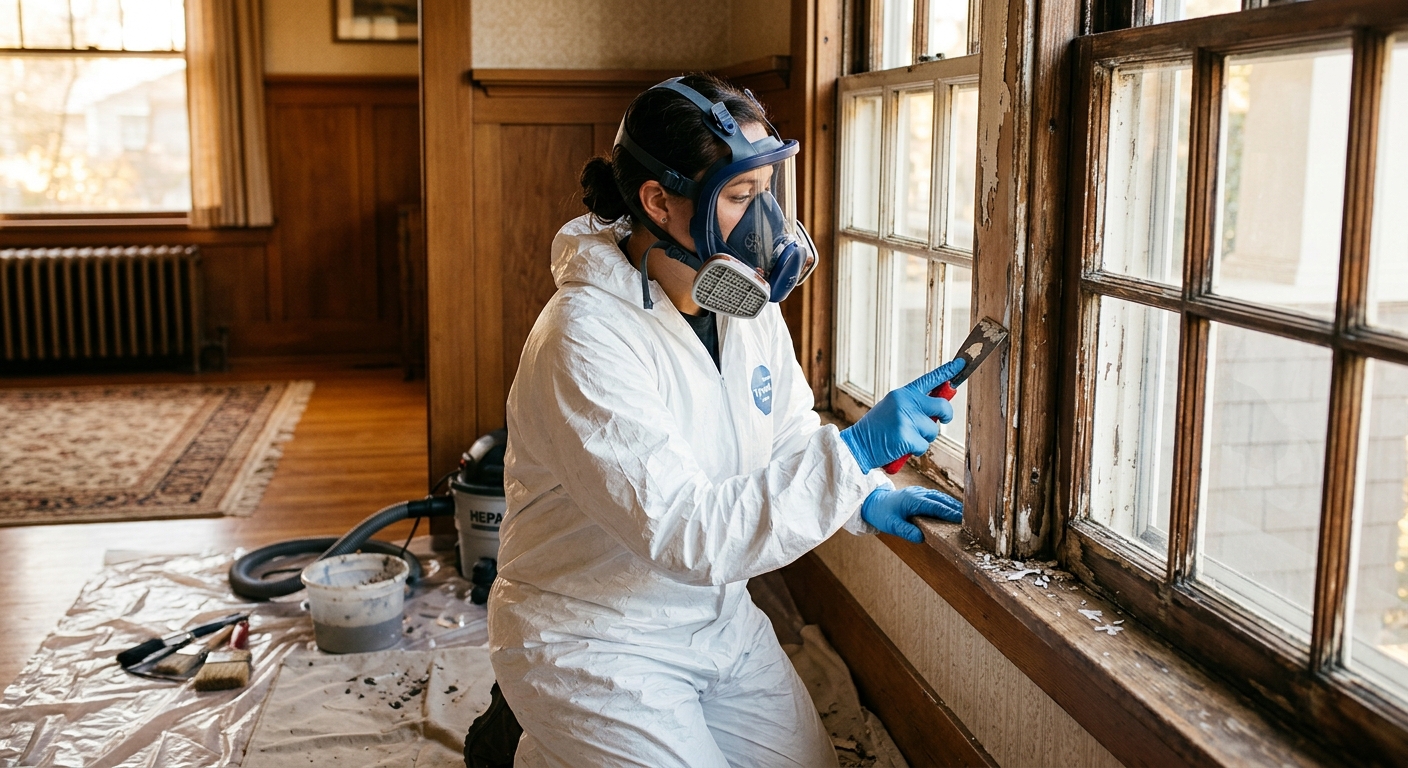
These two terms are often used interchangeably, but they are not the same thing. Abatement is a permanent solution — it means the lead hazard is either completely removed, enclosed behind a durable barrier, or encapsulated with a specialized coating that prevents exposure. Remediation is a broader term that includes interim controls, such as repainting deteriorated surfaces or installing covers over friction surfaces, which reduce exposure without permanently eliminating the hazard.
Full abatement is typically required by Oregon Health Authority when a child under six has been identified with elevated blood-lead levels and the source is traced to a residential property. It is also required on federally assisted housing projects under HUD guidelines. For most renovation projects, EPA RRP (Renovation, Repair, and Painting) rules apply — which mandate lead-safe work practices rather than full abatement.
Knowing which standard applies to your situation determines how much the project will cost and how long it will take. A contractor who cannot explain this distinction clearly is a contractor worth avoiding.
When Is Lead Paint Abatement Required in Portland?
Portland’s housing stock skews old. Roughly half of the city’s homes were built before 1978, and a significant portion predate 1940 — when lead content in paint was at its highest. That makes lead hazards a practical concern for a large share of Portland homeowners, landlords, and property managers.
Abatement is typically required in these situations:
- Child lead poisoning cases: Oregon Health Authority may order abatement when a child’s blood-lead level exceeds the CDC reference value and the home is identified as the source.
- HUD-regulated housing: Properties receiving federal funding or assistance must meet HUD lead-safe housing standards, which often require abatement rather than interim controls.
- Voluntary pre-renovation abatement: Some homeowners choose full abatement before a major remodel to eliminate the hazard permanently rather than managing it project by project.
For standard renovation work — replacing windows, repainting, repairing walls — Oregon follows EPA RRP rules. This requires that contractors be EPA Lead-Safe certified and use containment, wet methods, and HEPA vacuuming to prevent dust from spreading. It does not require full abatement unless the scope of work triggers additional standards.
What the Abatement Process Actually Looks Like
A proper lead paint abatement project follows a defined sequence. Skipping steps is not just sloppy — it is a regulatory violation that can expose your family and your contractor to serious liability.
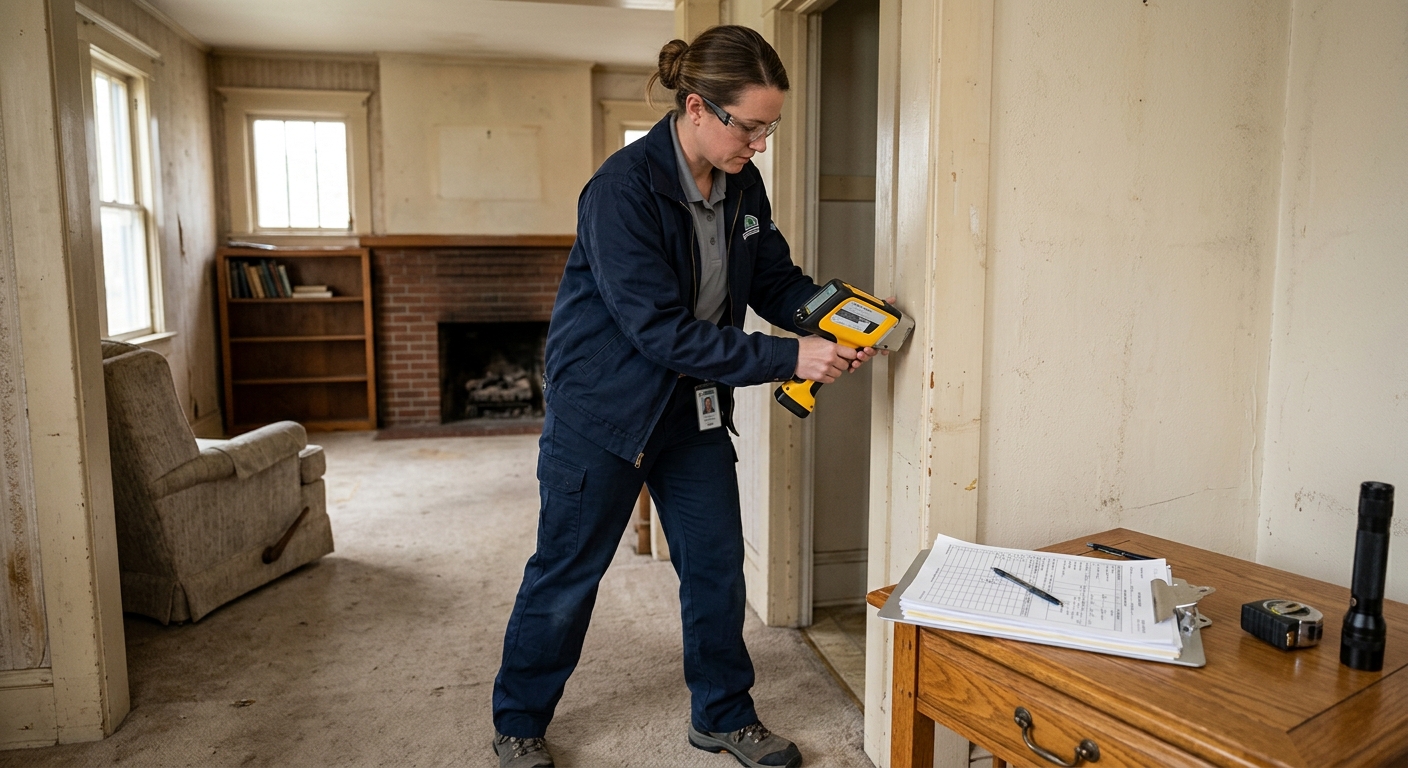
1. Risk assessment or inspection. A licensed lead inspector or risk assessor tests surfaces using XRF (X-ray fluorescence) technology or paint chip sampling to identify the location and condition of lead-based paint. This report drives the scope of work.
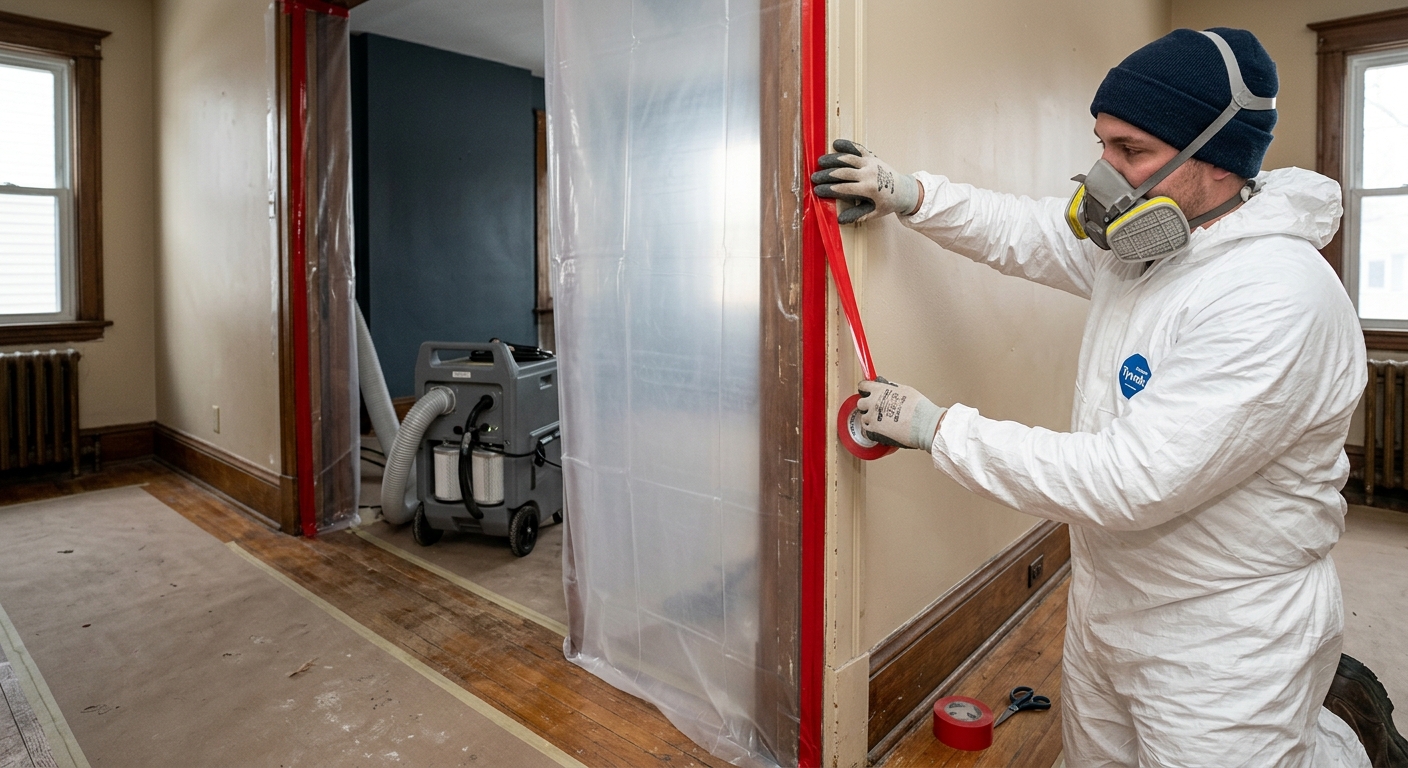
2. Containment setup. The work area is isolated using poly sheeting, negative air pressure machines with HEPA filtration, and warning barriers. Occupants — especially children and pregnant women — must vacate the area during work.
3. Removal or encapsulation. Depending on the surface and condition, lead paint is either chemically stripped, mechanically removed, or covered with an approved encapsulant. Friction surfaces like windows and doors almost always require full removal because encapsulants fail under repeated movement.
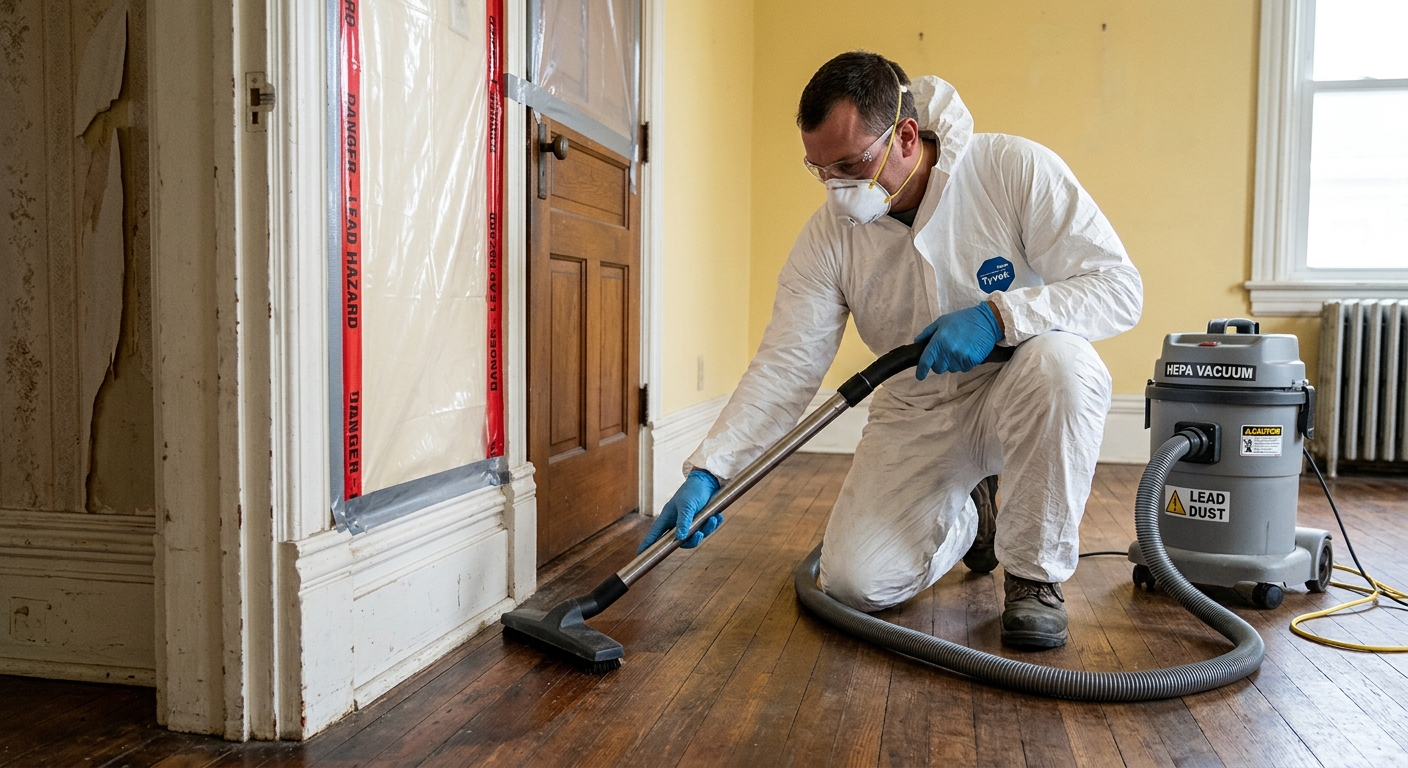
4. Cleanup and clearance testing. After work is complete, the area is cleaned thoroughly using HEPA vacuums and wet wiping. A clearance examination — performed by a third-party inspector, not the abatement contractor — confirms that dust lead levels meet Oregon and EPA standards before occupants return.
This last point matters: clearance testing must be independent. Any contractor who offers to perform their own clearance test is not following proper protocol.
How to Evaluate Lead Abatement Contractors in Portland
Oregon requires that contractors performing abatement hold an Oregon Department of Human Services lead abatement contractor license. Individual workers must hold lead abatement worker certifications. For renovation work under EPA RRP rules, the firm must be EPA Lead-Safe certified and assign a certified renovator to each project.
Ask any contractor you are considering for the following before signing anything:
- Oregon lead abatement contractor license number
- EPA Lead-Safe firm certification number
- Proof that a licensed risk assessor or inspector will conduct the pre-work assessment
- A written scope of work that references applicable standards (OAR 333-070 for Oregon, 40 CFR Part 745 for EPA RRP)
- Their plan for independent clearance testing
Price should not be the primary filter here. Lead abatement done incorrectly can spread contamination rather than contain it, and cleanup costs from a failed project far exceed the savings from hiring the lowest bidder.
A Common Misconception Worth Correcting
Many property owners assume that lead-safe work is something only specialty environmental firms handle — and that a painting contractor is not equipped for it. That assumption leads people to overlook painting contractors who hold the correct certifications and have direct, hands-on experience with lead hazards in older buildings.
District Painting Co. holds EPA Lead-Safe certification and has worked on lead-containing surfaces throughout Portland’s older residential and commercial building stock since 2018. That includes historic structures where preserving original materials while controlling lead hazards requires careful judgment — not just chemical strippers and poly sheeting. Their lead-based paint remediation services are built around the same compliance standards and containment protocols described in this article.
The broader point: a contractor’s category matters less than their certifications, their process, and their track record with the specific type of building you own.
Costs and Timelines: Realistic Expectations
Lead paint abatement costs vary widely based on the square footage affected, the number of surfaces involved, the method used (removal vs. encapsulation), and whether clearance testing is included. Small projects — a few windows or a single room — may run a few hundred dollars. Whole-house abatement in an older Portland Craftsman or Victorian can reach several thousand dollars or more.
Timeline depends on scope. A targeted abatement of deteriorated surfaces in one room can often be completed in one to two days. Whole-house projects with extensive removal and clearance testing may take a week or longer, particularly if clearance results require re-cleaning before occupants can return.
Get a written estimate that separates labor, materials, containment, disposal, and clearance testing. Disposal of lead-containing waste in Oregon must follow hazardous waste handling requirements — that cost should be itemized, not buried.
After Abatement: Keeping Your Home Lead-Safe Long Term
Abatement addresses identified hazards, but it does not mean your home is permanently free of all lead-containing materials. Encapsulated surfaces require periodic inspection to confirm the coating remains intact. Disturbing encapsulated surfaces during future renovations can re-create a hazard. Keep records of all abatement work — including the clearance report — and share them with any contractor who works on the property in the future.
Oregon Health Authority maintains resources for homeowners navigating lead hazard requirements. The EPA’s website provides the full text of RRP rules and a searchable database of certified firms. Both are worth reviewing before you hire anyone.
Talk to District Painting Co. About Lead Paint in Your Portland Property
District Painting Co. is an EPA Lead-Safe certified painting contractor based in Portland, OR, with eight years of experience on residential and commercial projects across Oregon, Washington, and Idaho. If you have questions about lead-safe work practices, abatement requirements, or what your specific project involves, call 503-560-7662 or visit the lead-based paint remediation page to learn more about how they approach this work.
